Insights
Published on 06/03/2026
What It Means to Activate an AVOD Strategy
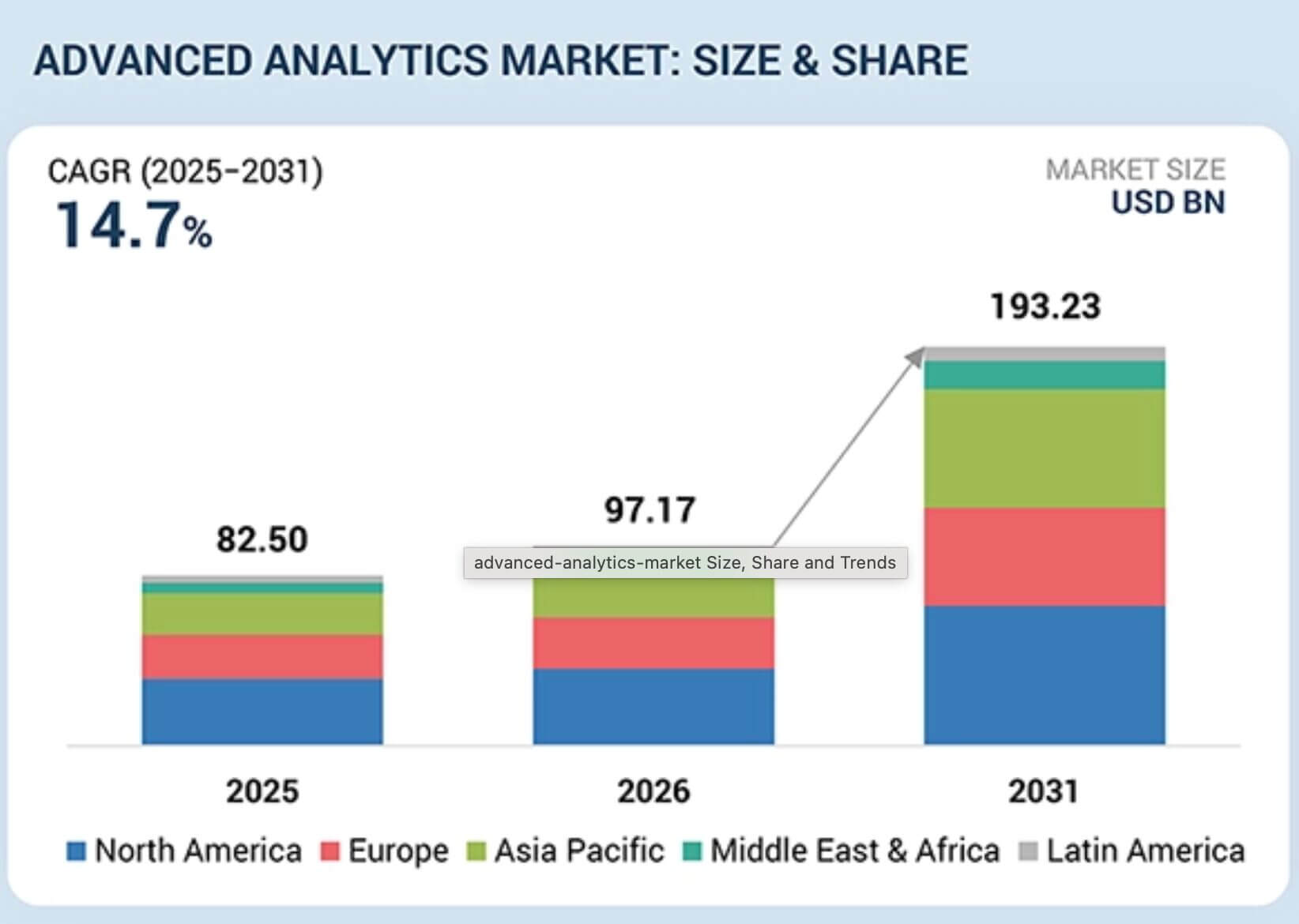
Overall, the entire video streaming market (across all monetization models) will be worth over USD 212 billion in 2026, growing compared to 2025, driven by the expansion of 5G technology, the adoption of smart TVs, and increased cross-device consumption.
The growth of AVOD is driven by:
- Increasing demand for free ad-supported content
- Targeted advertising investments on CTV platforms
- Strong growth of smart TVs and connected devices
These figures show a strong expansion of the AVOD model, with significant opportunities for those entering the market today with an advertising-optimized channel.
Trend: Avod vs Svod
Recent industry data shows:
In 2024, the AVOD market grew 39% year over year, reaching roughly USD 14.3 billion across major streaming platforms
More than 71% of new streaming subscribers are estimated to choose ad-supported plans
This indicates that AVOD is not only attracting broader audiences but is becoming a primary growth engine for OTT services, while purely subscription-based models (SVOD) are expanding more slowly.
Case Study
Major global operators have demonstrated one clear point: AVOD is not a secondary model, but a structural growth lever.
Prime Video (Amazon)
With the introduction of advertising, Amazon transformed an already established user base into a new high-margin revenue source. Advertising became an economic multiplier built on an existing infrastructure.
Netflix (Ad Tier)
Netflix introduced an ad-supported plan to expand penetration among price-sensitive segments without sacrificing its premium positioning. The result: greater accessibility and a new revenue stream.
Disney+
Disney adopted a hybrid model to balance user growth and advertising monetization, demonstrating that subscriptions and advertising can strategically coexist.
Roku Channel
Roku built an ecosystem where advertising is the primary revenue engine. Hardware, distribution and content become tools that feed a scalable advertising machine.
Pluto TV (Paramount)
Pluto TV demonstrated that the FAST model can generate significant value through free linear channels supported by advertising and sponsorships.
What Do All These Players Have in Common?
It is not simply about “adding advertising.”
They all have:
- Proprietary infrastructure
- Direct control of monetization
- The ability to integrate hybrid models
- A long-term strategy, not an opportunistic one
- The difference is not the AVOD model itself.
It is the architecture that supports it.
Where Vodevolution Positions Itself
Vodevolution was built with the same strategic mindset as the major players!
Not to offer a simple SaaS service, but to build a proprietary infrastructure fully controlled by the client.
- You are not dependent on a closed ecosystem.
You do not automatically share your advertising margins.
You are not locked into a single business model.
You do not need to change platforms as your strategy evolves.
Major operators control their infrastructure because they know that this is where the real value lies.
Vodevolution enables broadcasters, media companies and vertical brands to adopt the same philosophy, at a scale appropriate to their business.
Amazon, Netflix, Roku and Pluto did not build value simply by selling subscriptions or advertising.
They built value by controlling the ecosystem.
Vodevolution positions itself as a partner for organizations that want to:
- Build a proprietary media asset
- Maintain strategic control
- Scale without depending on third-party platforms
- Transform AVOD into a structural growth driver