Insights
Published on 09/07/2026
OTT Channel: Why Starting from Every Device Can Be a Costly Mistake
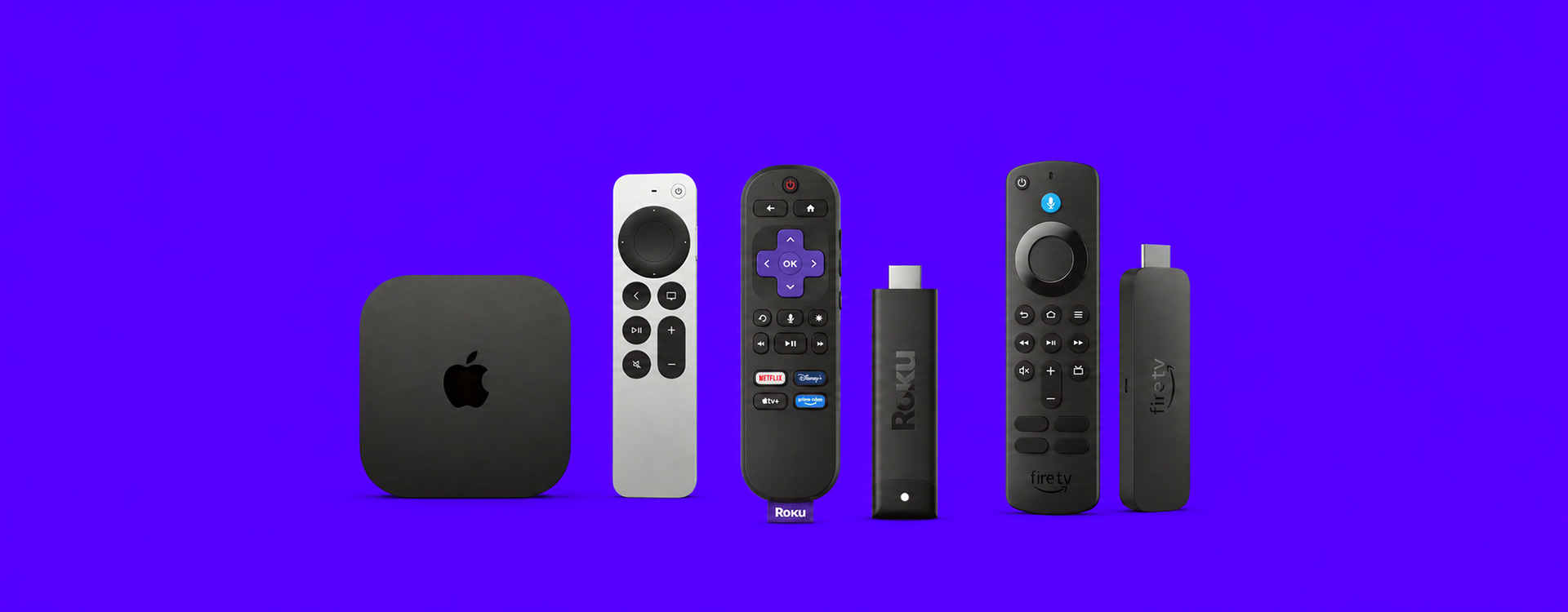
Launching an OTT channel on every device from day one may seem like the most complete choice, but it is not always the most efficient. For many publishers, producers, distributors, and media companies, starting with Fire TV, Roku, and Apple TV represents a faster, more sustainable strategy focused on economic return.
These three ecosystems make it possible to reach the Connected TV audience, reduce the initial complexity of development, test the market, monetize content, and build a solid foundation before extending the project to other environments such as Samsung Smart TV, LG webOS, Android TV, or Google TV.
Why You Don’t Need to Start Immediately with Every Device
When launching an OTT platform, the temptation is to be present everywhere: Samsung Smart TV, LG, Android TV, Google TV, Fire TV, Roku, Apple TV, mobile apps, web apps, and other environments as well.
In theory, this is correct. In practice, it can become expensive, slow, and complex.
Every TV operating system has different technical rules, interfaces, certification processes, payment methods, video requirements, navigation logic, and publishing standards. Developing everything at the same time means increasing timelines, budget, maintenance, and the risk of delays.
For this reason, in many cases, it is smarter to start from a strong core of OTT devices: Fire TV, Roku, and Apple TV.
This does not mean excluding other devices forever. It means building a first concrete, measurable, and scalable television distribution.
Fire TV, Roku, and Apple TV: Three Gateways to Connected TV
Fire TV, Roku, and Apple TV are not simply hardware devices. They are video distribution ecosystems, with stores, user accounts, payment systems, advertising tools, TV interfaces, and already established consumption habits.
Roku has surpassed 100 million streaming households globally and declares a strong presence in the United States, Canada, Mexico, Brazil, the United Kingdom, and Latin America. Amazon declares more than 250 million Fire TV devices sold worldwide. Apple TV, although it has a more selective user base than other ecosystems, offers a premium environment with support for 4K, Dolby Vision, HDR10+, and Dolby Atmos for tvOS apps.
According to Pixalate data for the first quarter of 2026, Roku leads the Connected TV share in North America, followed by Amazon Fire TV, Samsung Smart TV, and Apple TV; in Latin America, Roku is still first in terms of share of voice among the CTV devices analyzed.
For an OTT channel, this means something very simple: starting from these three devices allows you to intercept a strategic part of living-room video consumption, especially in markets where Connected TV is already central to the viewing of films, series, documentaries, sports content, thematic channels, and AVOD catalogs.
Fire TV: Immediate Access to a Large Audience Already Used to Streaming
Amazon Fire TV is one of the most interesting devices for launching an OTT channel because it combines reach, accessibility, and ease of use.
Fire TV users are already used to installing apps, browsing video catalogs, using a remote control and voice search, watching free ad-supported content, or subscribing to paid services. In addition, Fire TV is connected to the Amazon ecosystem, an important advantage when working with SVOD, TVOD, or in-app purchase models.
From a technical standpoint, Amazon allows Fire TV apps to be developed using different approaches, including Android development, HTML5 web app development, and React Native. Fire TV apps can also integrate In-App Purchasing APIs to sell subscriptions, premium content, or digital purchases directly inside the app.
For a video publisher, Fire TV is particularly suitable when the project has these goals:
- quickly reach streaming users;
- launch an AVOD, SVOD, or freemium channel;
- monetize through advertising, subscriptions, or premium content;
- distribute content in international markets;
- start from a TV app with more controlled costs compared to full multi-device development.
Fire TV is often an effective choice for film catalogs, thematic channels, cult content, horror, documentaries, fitness, spirituality, lifestyle, education, and vertical entertainment.
Roku: The Strategic Device for the United States, North America, and Latin America
Roku is one of the most important ecosystems for those who want to bring an OTT channel into the North American market and part of Latin America.
Its main advantage is simplicity. Roku’s interface is designed for the television user: few steps, clear navigation, strong centrality of the remote control, and a logic that is very well suited to vertical channels. For many viewers, Roku is not perceived as a technical device, but as the natural starting point for watching streaming content.
For publishers, Roku offers specific tools for monetization, purchases, analytics, and channel management. The platform allows the sale of subscriptions, rentals, special events, and the management of payment methods through Roku Pay. In addition, for advertising models, Roku provides dedicated integrations for video monetization and requires the use of the Roku Advertising Framework for apps with advertising.
Roku is particularly interesting for AVOD and FAST channels because the audience is already used to free ad-supported content. A free advertising-supported channel, if well positioned, can enter an environment where the user is already prepared to discover new content without immediately paying for a subscription.
For an independent distributor or producer, Roku can be the first real testing ground to understand:
- which content generates the most views;
- which genres work best;
- how long users stay inside the channel;
- which titles deserve more promotion;
- whether the catalog can support an AVOD, FAST, or freemium model.
Roku is therefore a very strong choice for film catalogs, cult films, genre content, international channels, independent libraries, vertical formats, and projects designed for the American market.
Apple TV: Premium Positioning and Quality of the User Experience
Apple TV is not always the most widespread device in absolute terms, but it has a different strategic value: premium positioning, quality of experience, and a high perception of the brand.
Being present on Apple TV communicates solidity. For an OTT channel, especially one focused on premium content, independent cinema, documentaries, education, wellness, sports, culture, or selected catalogs, tvOS can strengthen the perception of the project.
Apple provides an environment designed for high-quality video experiences. tvOS apps can support 4K, Dolby Vision, HDR10+, and Dolby Atmos, creating an experience closer to cinema and home theater.
Apple TV is ideal when the channel wants to focus on:
- premium image;
- high video quality;
- an audience with a greater propensity to spend;
- SVOD subscriptions;
- niche content with high perceived value;
- international brand positioning.
For this reason, even though Apple TV is not always the first device in terms of volume, it can be fundamental for authority, quality, and commercial positioning.
A Smarter Strategy: Starting from Pure OTT Devices
Fire TV, Roku, and Apple TV have one feature in common: they are environments designed natively for streaming.
Compared to many proprietary Smart TVs, these devices have users who are more accustomed to installing apps, trying new services, searching for content across different catalogs, and watching video on demand. This makes the launch of an OTT channel more direct.
Starting from these three ecosystems allows you to focus on what really matters in the first phase:
- catalog quality;
- user experience;
- player performance;
- advertising monetization;
- subscriptions;
- retention;
- viewing data;
- market testing;
- channel promotion.
Instead of spreading the budget across too many versions, the publisher can build a solid TV presence, collect real data, and then decide more precisely whether to extend the project to Samsung, LG, Android TV, Google TV, mobile apps, or other environments.
AVOD, SVOD, TVOD, and FAST: Which Models Work Best
An OTT channel on Fire TV, Roku, and Apple TV can support different business models.
The AVOD model allows you to offer free content financed by advertising. It is suitable for large catalogs, film libraries, evergreen content, genre channels, and content with good viewing duration.
The SVOD model is based on a monthly or annual subscription. It is ideal for premium catalogs, exclusive content, education, fitness, spirituality, documentaries, niche cinema, or vertical communities.
The TVOD model allows you to sell or rent individual pieces of content. It can work well for films, events, masterclasses, courses, shows, sports content, or special releases.
The FAST model transforms the catalog into a free linear channel with advertising. It is particularly interesting for serial content, film libraries, thematic programs, and automated schedules.
The best choice is not the same for everyone. Often, the most effective solution is a hybrid model: free content to acquire an audience, advertising to monetize views, subscriptions for premium content, and rentals for special titles.
Why This Choice Reduces Costs and Launch Times
One of the main advantages of starting with Fire TV, Roku, and Apple TV is the reduction of initial complexity.
Every TV app requires development, testing, certification, updates, remote-control compatibility, player management, login, payments, analytics, advertising, privacy, and customer support. Multiplying the devices immediately also means multiplying the critical points.
Focusing on three ecosystems allows you to:
- reach the market sooner;
- reduce the initial budget;
- simplify testing;
- launch a more stable first version;
- collect real data from users;
- improve the product before expanding it;
- present concrete results to investors, partners, and advertisers.
For an OTT project, launch timing is often decisive. A perfect app published too late can lose commercial opportunities. A well-designed first distribution, instead, allows you to start building audience, data, and revenue immediately.
When It Makes Sense to Add Samsung, LG, and Android TV
Samsung Smart TV, LG webOS, and Android TV remain very important platforms. In Europe, and particularly in many markets where integrated Smart TVs have significant weight, ignoring them in the long term would be a mistake.
However, they do not always need to be included in the first phase.
It makes sense to add them when:
- the channel has already validated the catalog;
- there is concrete viewing data;
- the monetization model is clear;
- the brand already has an initial user base;
- the budget allows for multi-device maintenance;
- the target market specifically requires those operating systems.
In other words, Fire TV, Roku, and Apple TV can be phase one. Samsung, LG, and Android TV can become phase two, when the project has already demonstrated its potential.
Who This Strategy Is Suitable For
Launching an OTT channel first on Fire TV, Roku, and Apple TV is a particularly suitable choice for:
- film producers;
- film distributors;
- independent libraries;
- AVOD channels;
- FAST projects;
- media companies;
- vertical broadcasters;
- publishers with thematic catalogs;
- education platforms;
- corporate brands with video content;
- international communities;
- religious, cultural, sports, or lifestyle projects.
It is a useful strategy especially when the catalog has international potential and when the goal is to reach users who watch content directly from the living-room TV.
Conclusion
Activating an OTT channel only on Fire TV, Roku, and Apple TV does not mean limiting the project. It means building a smarter launch strategy.
These three devices make it possible to enter the Connected TV market with a strong presence, reducing time, costs, and complexity. They offer mature ecosystems, users accustomed to streaming, monetization tools, and an experience suitable for living-room video consumption.
For many publishers, producers, and distributors, the question should not be: “How can I be on every device immediately?”
The right question is: “Which devices allow me to launch sooner, monetize better, and validate my OTT channel with less risk?”
In many cases, the answer is exactly this: Fire TV, Roku, and Apple TV.
FAQ
For many projects, yes. These three ecosystems make it possible to reach a strategic part of the Connected TV audience, especially in international markets. Later, the channel can be extended to other devices.
Yes. Roku is very strong in the United States, but it also has a presence in Canada, Mexico, Brazil, the United Kingdom, and other international markets. It is particularly interesting for AVOD and FAST channels.
Yes. Fire TV supports monetization models with in-app purchases and subscriptions. It is suitable for both SVOD channels and freemium or hybrid models.
It depends on the positioning. Apple TV is particularly useful for premium projects, high-quality content, selected catalogs, and brands that want to communicate authority.
It is worth adding them when the project has already validated its audience, catalog, and business model. In many cases, they are fundamental in the second phase of expansion, especially in Europe.
It depends on the catalog. AVOD and FAST work well with large libraries and free ad-supported content. SVOD works with premium content or vertical communities. TVOD is suitable for films, events, courses, and special content.